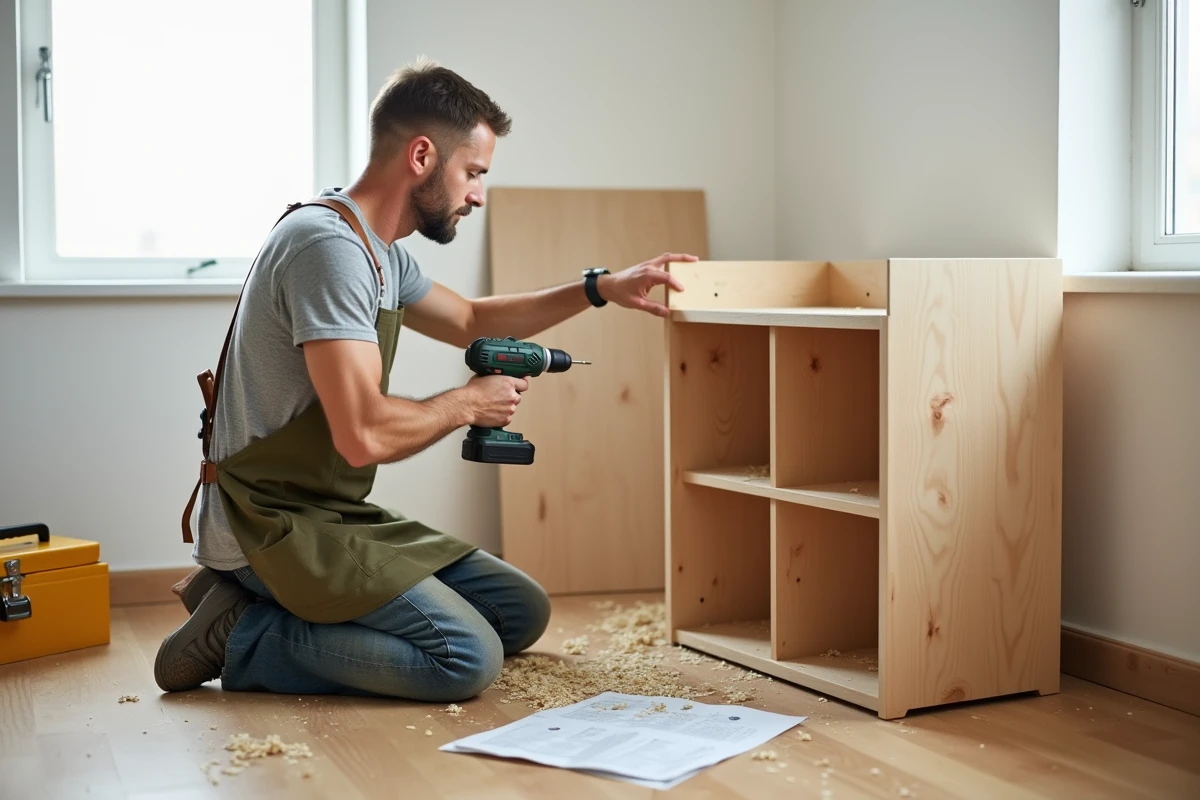
A dripping faucet, a shelf to fix, a wall to refresh: most DIY tasks at home require neither training nor a huge budget. However, they do require a method. Choosing the right materials, understanding the behavior of a surface before drilling, adapting tools to the intended action: this is where the difference between a clean result and an expensive redo is made.
DIY Materials: What New Formulations Change in Practice
Have you noticed that a paint purchased recently dries more slowly than before? Since 2023, many paints, glues, and foams sold in DIY stores have been reformulated. The goal: to comply with stricter limits on volatile organic compounds (VOCs) imposed by European regulations.
In practical terms, this changes the way you do DIY. Drying times are often longer than indicated on the old packaging. A fixing glue that used to set in a few minutes may now require an hour of holding. Before planning a day of work, read the product’s technical data sheet, not just the marketing label.
The adhesion of some products has also evolved. On a porous surface like old plaster, a bonding primer may sometimes be necessary where the old formula adhered directly. Conversely, site ventilation is more important than ever, even with products labeled “low emissions.” Opening windows during and after application remains the basic rule, regardless of the mention on the container.
To explore all the projects at Monsieur Bricoleur, from facade refreshing to tile installation, it often suffices to understand these material constraints before getting started.
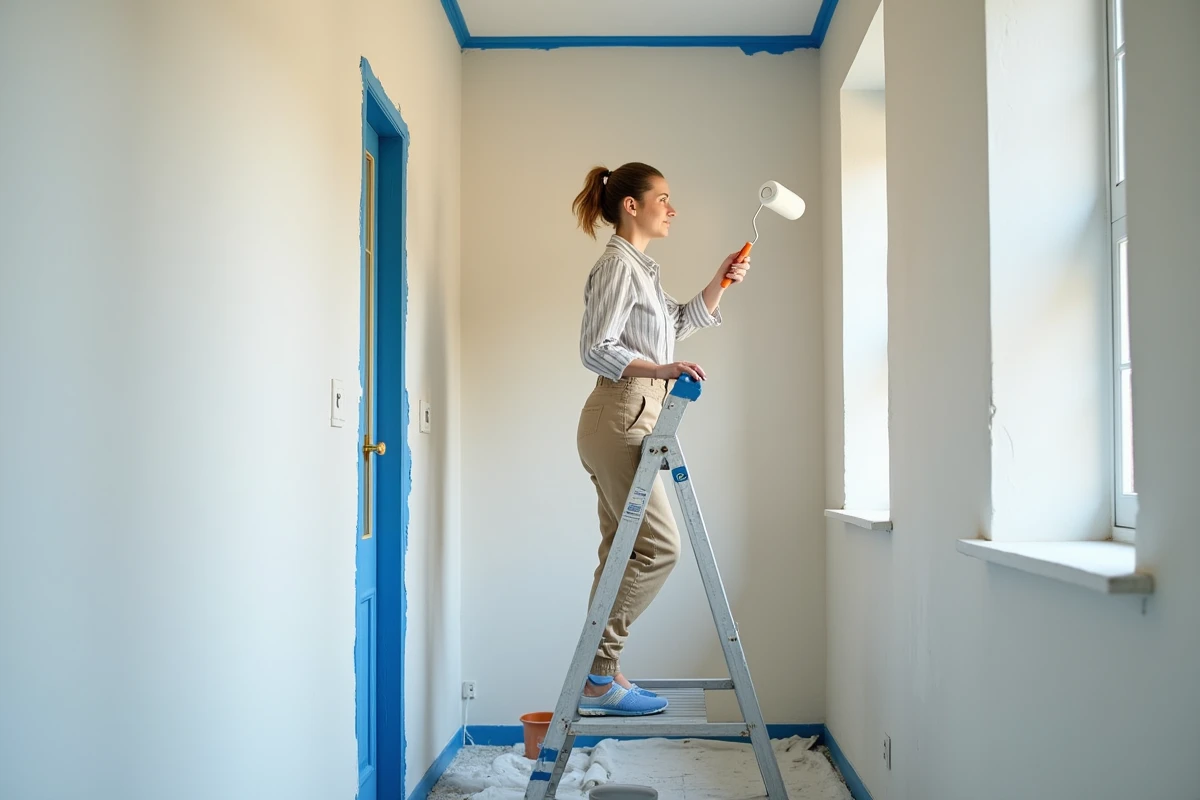
DIY Tools: Invest in the Right Places Rather Than Everywhere
The classic temptation for a beginner DIYer is to buy a complete kit with dozens of bits, blades, and accessories. Most of these pieces will never leave the case.
The Trio That Covers Most Projects
- A cordless drill-driver with enough torque to go through hardwood and thin metal. A mid-range model lasts for years if the battery is properly maintained.
- A good-length spirit level (at least 60 cm). Leveling apps on smartphones lack precision as soon as the surface vibrates or the phone is in a thick case.
- A sturdy tape measure and a carpenter’s pencil. Measure twice and cut once remains the best advice in DIY, and it also applies to drilling, gluing, and marking.
A tool of decent quality, well-organized and well-maintained, replaces ten cheap gadgets. Before buying a specialized tool for a one-time project (miter saw, wallpaper stripper), check if it is available for rent at a nearby DIY store. The cost of a day’s rental is often less than the purchase price of an entry-level model.
Preparing a Renovation Site Without Improvisation
Why do some renovation projects go over time and budget? Rarely due to a lack of skill. The problem almost always comes from insufficient preparation of the surface or a poor estimation of quantities.
Assess the Surface Before Starting
Before painting a wall, run your hand over it. If powder remains on your fingers, the surface is “dusty”: the paint will not adhere without prior treatment. A tactile diagnosis of the surface avoids half of the painting failures. A greasy surface (kitchen, garage) requires degreasing with Marseille soap before any application.
For tiling, check the flatness of the floor with a mason’s rule. A gap of a few millimeters over a meter is enough to create lips between the tiles, visible as soon as the light grazes the floor.
Calculate Materials with a Realistic Margin
The simple rule: add about one-tenth to the theoretical quantity for paint, and a bit more for tiles (cuts generate waste, especially on large formats). Buying just the theoretical quantity almost always forces you to return to the store, with the risk of encountering a batch of slightly different shade.
Safety and Compliance: The Blind Spots of Home DIY
DIY guides often talk about safety glasses and gloves. These items are useful, but the real risks lie elsewhere.
Any intervention on an electrical circuit, even to replace a socket, requires turning off the corresponding circuit breaker and checking for the absence of voltage with a tester. A basic multimeter costs a few euros and can prevent a serious accident.
- Before drilling a wall, use a metal and cable detector. Electrical conduits do not always follow a vertical path from the switch: in older buildings, wiring can snake unpredictably.
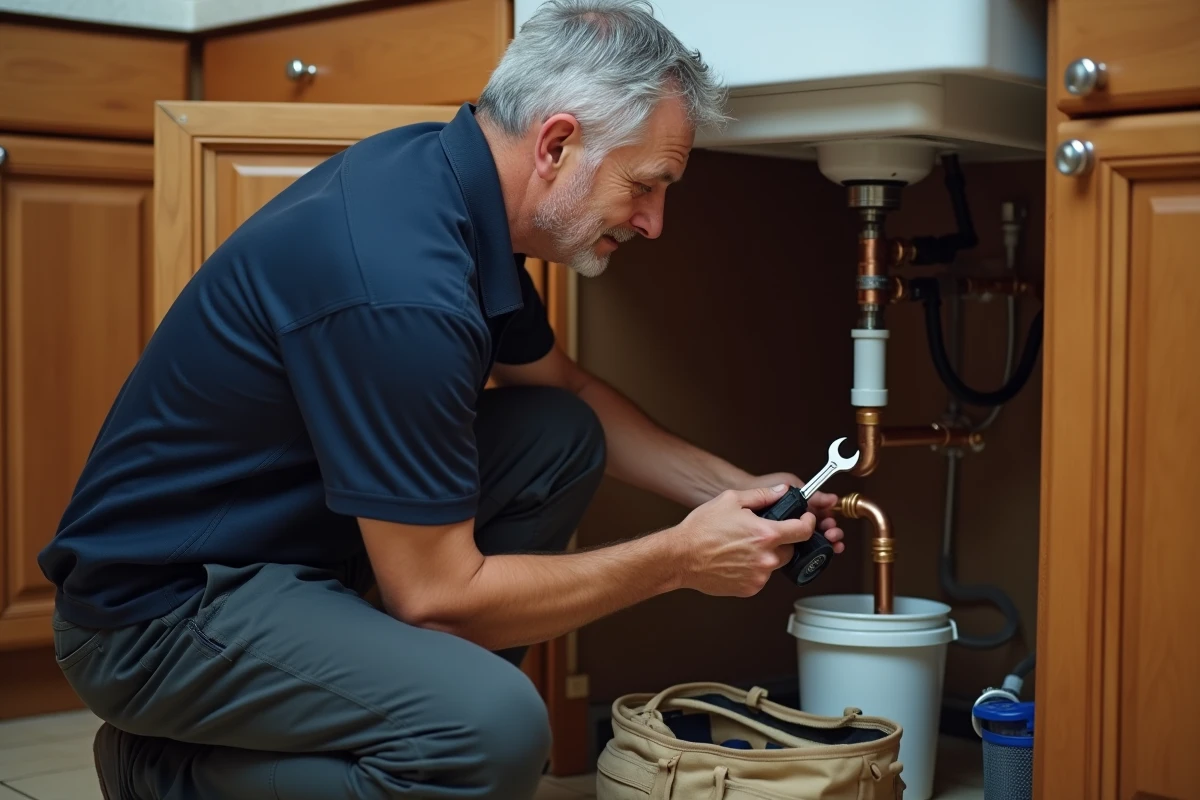
- For plumbing work, turn off the main water supply and open a downstream faucet to relieve residual pressure. A poorly tightened fitting under pressure can cause water damage in minutes.
- Since 2023, several home insurers encourage the installation of connected water leak detectors during light work. A leak detector costs less than an insurance deductible.
Home DIY becomes more reliable when every action is prepared: diagnosed surface, appropriate tools, sufficient materials, verified safety. The most common mistakes do not come from a lack of talent, but from a step skipped before starting the project.