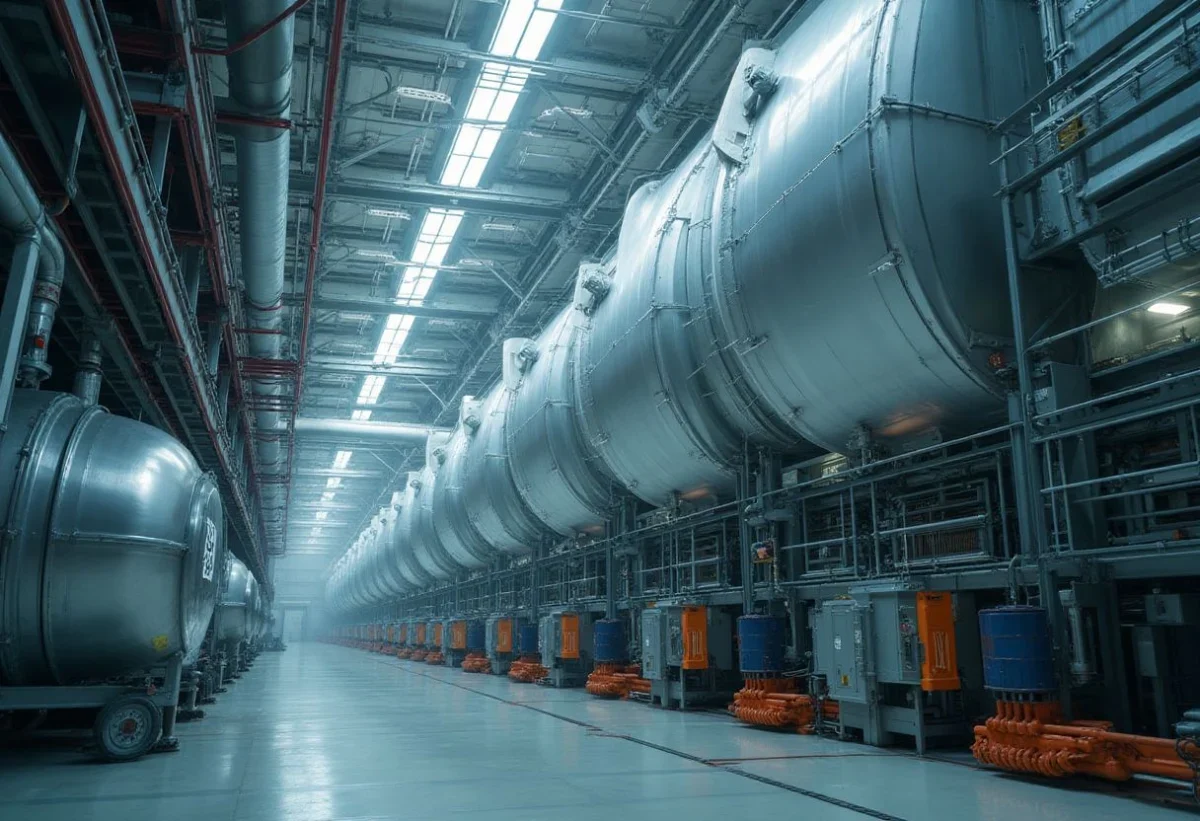
The quality of the air we breathe has become a major concern in the modern era, where pollution and climate change intertwine. The search for cleaner and more sustainable solutions has given rise to remarkable innovations, among which the concept of ecological ventilation stands out. This innovative approach aims to improve indoor air quality while minimizing environmental impact, and it is gaining popularity worldwide. Traditional ventilation systems, while effective, often consume a lot of energy and do not always take into account the growing environmental concerns. Ventil Eco represents a significant advancement in this field, offering solutions that combine energy efficiency with respect for our planet.
The principles of ecological ventilation
Ecological ventilation is based on fundamental principles aimed at reducing carbon footprint and ensuring a healthy and pleasant indoor environment. These principles are at the heart of Ventil Eco’s concerns.
- Energy efficiency: Use of cutting-edge technologies to reduce energy consumption, thereby decreasing the carbon footprint of buildings.
- Air quality: Advanced filtration systems to ensure optimal air purification, eliminating harmful pollutants and improving the health of occupants.
- Sustainable materials: Use of recyclable and durable materials in the manufacturing of ventilation equipment to minimize environmental impact.
- Smart design: Integration of intelligent systems that adapt ventilation to real-time needs, thus ensuring optimal and energy-efficient operation.
The benefits for health and well-being
Choosing Ventil Eco also means opting to improve the well-being of occupants through better air quality. The health benefits are numerous and notable.
Firstly, the reduction of indoor pollutants through efficient filtration systems decreases the incidence of allergies and respiratory infections. Next, better air quality contributes to improved concentration and psychological well-being, which is particularly beneficial in work or learning environments.
Finally, the reduction of noise associated with these ventilation systems contributes to a calmer environment. Thus, the physical and mental health of occupants is improved, creating ideal conditions for rest and productivity.
Environmental and economic impact
The use of ecological ventilation systems not only has beneficial effects on human health, but it also offers significant economic and environmental advantages.
- Reduction of energy consumption: Ventil Eco systems allow for substantial savings on energy bills due to their economical and efficient design.
- Decrease in carbon footprint: The use of less energy-intensive technologies helps reduce greenhouse gas emissions, thus contributing to the fight against global warming.
- Increased property value: Buildings incorporating these solutions often see their value increase, providing an additional economic incentive for owners and investors.
For those who wish to delve deeper into this topic, feel free to visit their site to discover how these technologies can transform your spaces.
The technological innovations of Ventil Eco
Technological advancements are at the heart of Ventil Eco’s offering, pushing the boundaries of what is possible in sustainable ventilation.
Smart sensors and automated control systems play a crucial role in optimizing energy consumption. By monitoring air quality and climatic conditions in real-time, they adjust ventilation to achieve optimal performance. The recycled and recyclable materials used in the manufacturing of equipment demonstrate a commitment to reducing environmental impact.
Innovations do not stop there: the integration of solar technologies to partially power ventilation systems represents a promising step towards energy self-sufficiency.