This year’s beauty trends are structured around three axes: regulations that force the industry to reformulate its products, skincare technologies that are moving from clinics to homes, and makeup that focuses on texture rather than color. These movements are not just passing fads. They reflect technical and legal changes whose effects will be felt over several seasons.
Reformulation of cosmetics: what the new regulations change
French law n° 2025-188 prohibits the manufacture, import, and marketing of cosmetics containing per- and polyfluoroalkyl substances (PFAS), even when they are present unintentionally. Long-lasting foundations, waterproof mascaras, and certain makeup setting sprays relied heavily on these compounds for their water and sebum resistance.
At the same time, European regulations on microplastics require brands to gradually reformulate their exfoliants, powders, and encapsulation systems. Texturizing agents based on synthetic polymers are disappearing in favor of plant-based or biotechnological alternatives.
In practical terms, this means that long-lasting makeup formulas are changing their composition this year. The first reformulated products are hitting the shelves with slightly different textures, sometimes less film-forming, sometimes richer in natural waxes. Brands that adapt quickly gain a real advantage in a market where consumers are increasingly reading INCI lists.
To follow these developments product by product, the blogbeaute.fr site to discover regularly covers reformulations and the new products that result from them.
Skincare and non-invasive technologies at home
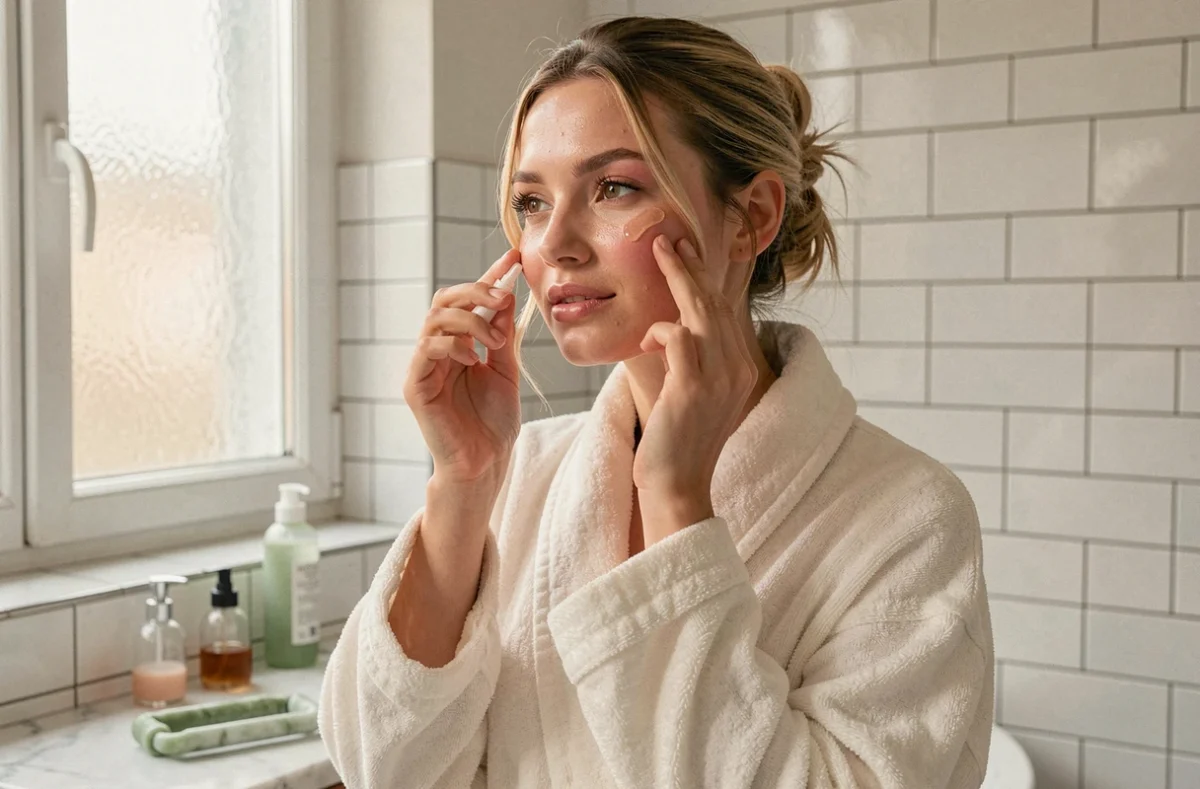
Skincare continues its transformation towards high-tech solutions. Home skincare devices (LED, microcurrent, portable radiofrequency) are becoming more accessible and gaining power. Their promise: to partially replicate the results obtained in clinics without requiring appointments or hospitalization.
Exosomes, these microvesicles naturally produced by cells and involved in cellular communication, represent the most followed innovation. Long confined to medical research, they are appearing in serums and targeted treatments. Their potential role in skin regeneration interests both dermatologists and cosmetic formulators.
The other significant movement is the return of skinimalism: routines reduced to a maximum of three or four products, each multi-active. Consumers are abandoning ten-step protocols in favor of concentrated formulas that combine hydration, protection, and targeted treatment in a single gesture.
- Red LED to stimulate collagen, usable in ten-minute sessions at home, with no notable side effects on sensitive skin.
- Serums with exosomes, positioned for skin repair and reduction of post-inflammatory marks.
- Barrier creams enriched with plant-based ceramides, designed to compensate for the removal of synthetic film-forming agents.
Lip and eye makeup: the rising textures
On the makeup side, the trend is reflected in search data and online sales. Lip inks and lip serums are experiencing significant growth. The principle of the ink: a very fluid pigment that colors the lip without thickness, leaving a natural finish that lasts for several hours.
Eye contour patches continue their rise. They combine an immediate decongesting effect with the delivery of hydrating actives. This practical format appeals for both daily use and as an express gesture before an event.
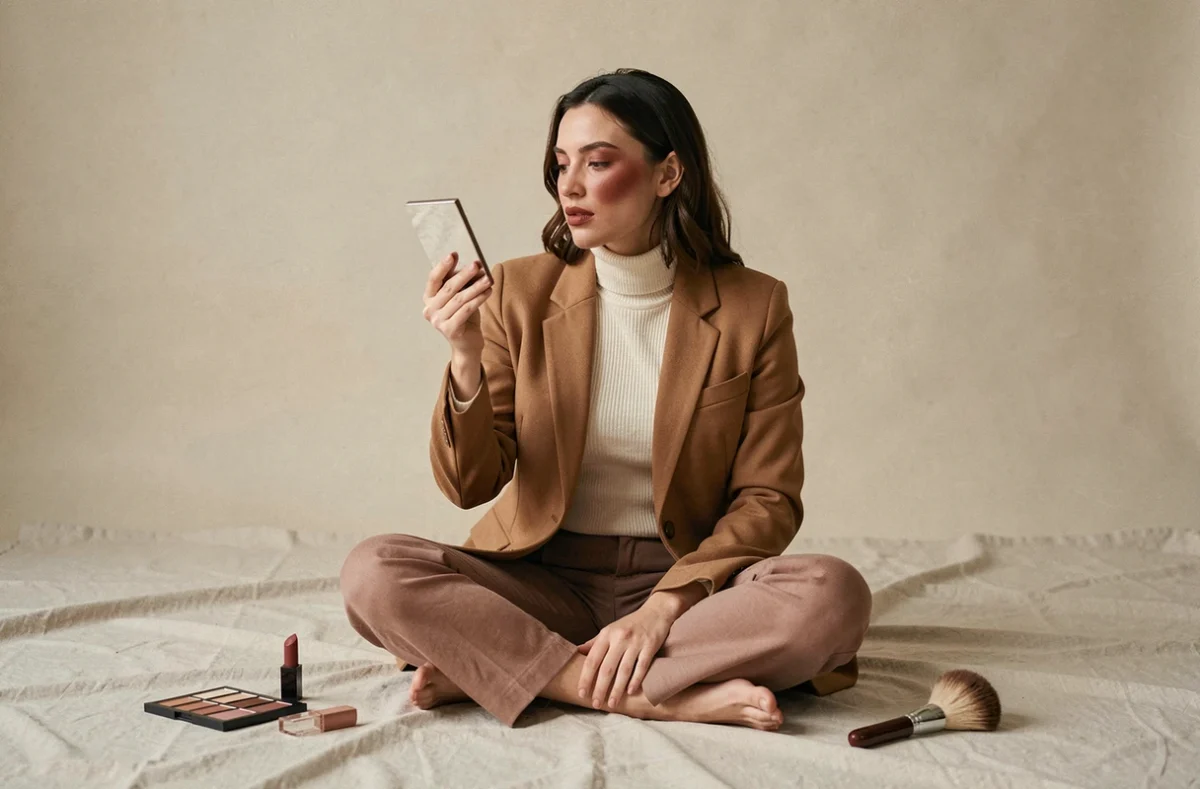
Blush remains a key product, but its texture is evolving. Cream and liquid formulas are gradually replacing compact powders. Application with fingers or a sponge allows for a more blended finish on the skin, consistent with the “second skin” makeup trend dominating tutorials and brand launches this year.
Refillable packaging and traceability of plant ingredients
Refillable packaging is no longer just a marketing argument. Brands must now design truly sustainable refill systems, with materials and mechanisms intended for repeated use. Non-refillable decorative packaging is losing ground in selections from retailers like Sephora.
Plant-based beauty is facing a stricter traceability examination. The notion of “natural” is no longer sufficient: consumers and regulators are demanding proof of the origin of raw materials, their environmental impact, and cultivation conditions. Biotechnology offers an alternative by producing certain plant actives through fermentation, without relying on agricultural supply chains at risk of deforestation.
- Standardized refills for lipsticks and foundations, compatible across multiple ranges from the same brand.
- Actives obtained through fermentation (squalane, plant-based hyaluronic acid) that reduce pressure on traditional crops.
- Detailed labeling of the provenance of key ingredients, beyond the simple mention of “natural origin”.
This year’s beauty trends share a common thread: transparency is gradually replacing storytelling. Readable ingredient lists, functional refills, documented skincare technologies. Brands that publish their reformulation data and sourcing capture a more demanding clientele, accustomed to verifying what they are sold before buying it.